Start with the operating requirement
Harbor facilities use temporary equipment for maintenance windows, berth preparation, inspections, material movement and short operational peaks. Begin with the task, working surface, location and expected rental duration. A broad request such as “dock equipment” leaves too many interfaces unresolved.
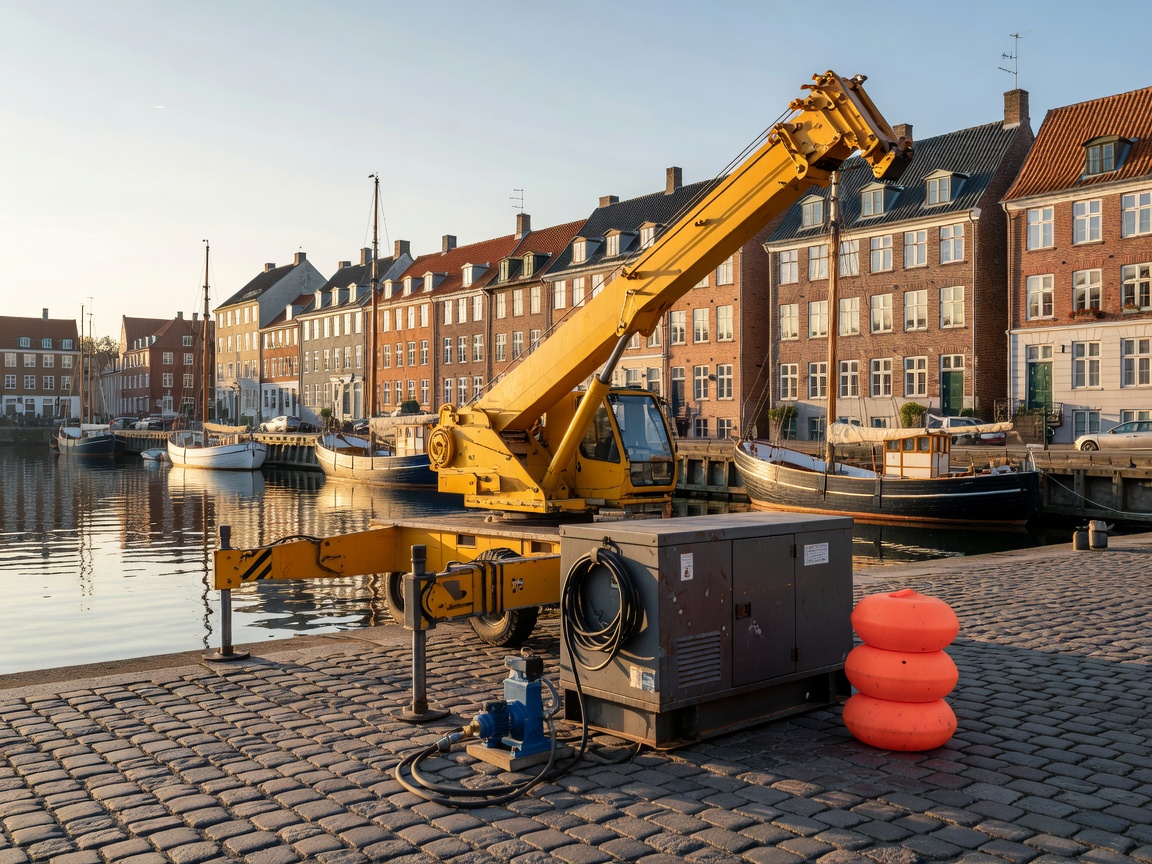
Useful categories include port-side handling equipment, cleaning and surface-maintenance equipment, inspection-support equipment, temporary access systems and equipment for controlled staging. The right category is the one that matches the work, not simply the equipment that is easiest to describe.
Selection factors that affect the brief
Record equipment dimensions, operating envelope, ground or deck loading requirements, power source, noise constraints and environmental exposure. Confirm whether equipment must pass a gate, ramp, doorway or quay edge route. Measure turning space as well as the opening itself.
Power planning includes voltage, connection type, cable routing and protection from water. Where equipment is fuel-powered, identify storage and ventilation requirements. Do not assume a nearby outlet or a suitable lifting point.
Delivery, storage and operation
Delivery planning should name a receiving contact, arrival window, unloading location and route to the work zone. Keep the staging area clear and protect equipment from vehicle movements, spray, tide-related exposure and unauthorized use.
Operators should be competent for the equipment and task. Manufacturer instructions, site procedures and any required certification take priority over general rental guidance. Inspect equipment before use and record visible condition, controls, guards and accessories.
Advantages and limitations
Rental can avoid long-term storage, support a defined project window and provide access to specialist categories without ownership commitment. It can also introduce scheduling dependencies, transport constraints, familiarization needs and return-condition requirements. Availability and specifications vary, so confirm them for each request rather than relying on a catalogue description.
What to confirm before rental
- Task, location and expected working period.
- Equipment dimensions, weight and access route.
- Power, fuel, water, drainage and storage conditions.
- Operator competence and manufacturer documentation.
- Delivery, collection and receiving inspection responsibilities.
- Cleaning, damage reporting and return condition.
Related planning routes
Port handling equipment addresses material movement. Dock maintenance equipment covers cleaning and surface work. For a complete schedule, use equipment rental planning.